Similar Hurdles, Different Tracks
On paper, the U.S. and Chilean higher education systems look completely different. But on the ground, we quickly realized we are wrestling with many of the same challenges.
Take Chile’s gratuidad (free tuition) policy. It sounds like an equity solution, but we learned that when you eliminate tuition, the non-tuition costs, like housing, books, transit, and food, still stand as massive barriers for low-income students. It’s a powerful lesson for us back home: access requires a lot more than just slashing a sticker price.
We also saw this dynamic play out across several other areas:
● When we discussed the government cutting Chile’s InES grants (which fund research and gender equity initiatives), it felt immediately familiar. It’s the exact same institutional panic we see in the US when federal NSF grants are consistently cut.
● Learning about their national accreditation system proved that quality assurance headaches are universal. Both countries struggle with compliance-heavy systems that often value rigid metrics over holistic student success.
● As someone interested in how universities are run, one of my favorite takeaways was how different their leadership structures are. In the US, we rely on corporate national searches to find deans and presidents. In Chile’s traditional universities, faculty members internally elect their own leaders. It’s a completely different approach to institutional power and autonomy. Yet, both systems have similar issues in terms of equity and representation. Despite many of the upper administrators being elected by faculty members at each specific university, not all faculty members actually get a vote. In the US, despite efforts to include diverse perspectives in the search process for new leadership, there are always voices who are left out (intentionally or unintentionally).
Building Community Beyond the Classroom
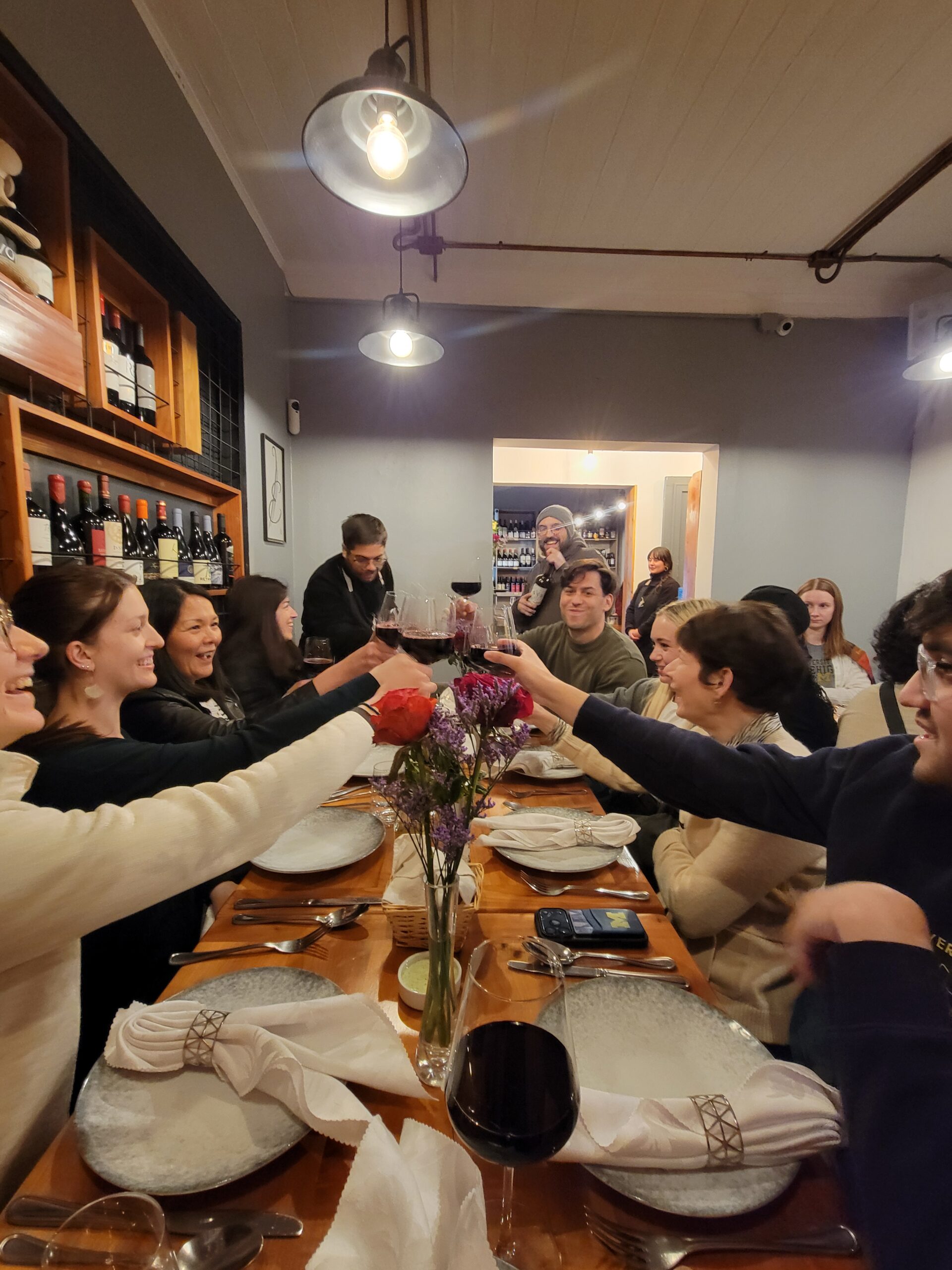
While the academic insights were incredible, the real magic of the trip happened between the site visits. Traveling across Santiago and Valparaíso forced our CSHPE cohort out of the comfort zone of our usual campus routines and truly brought us together.
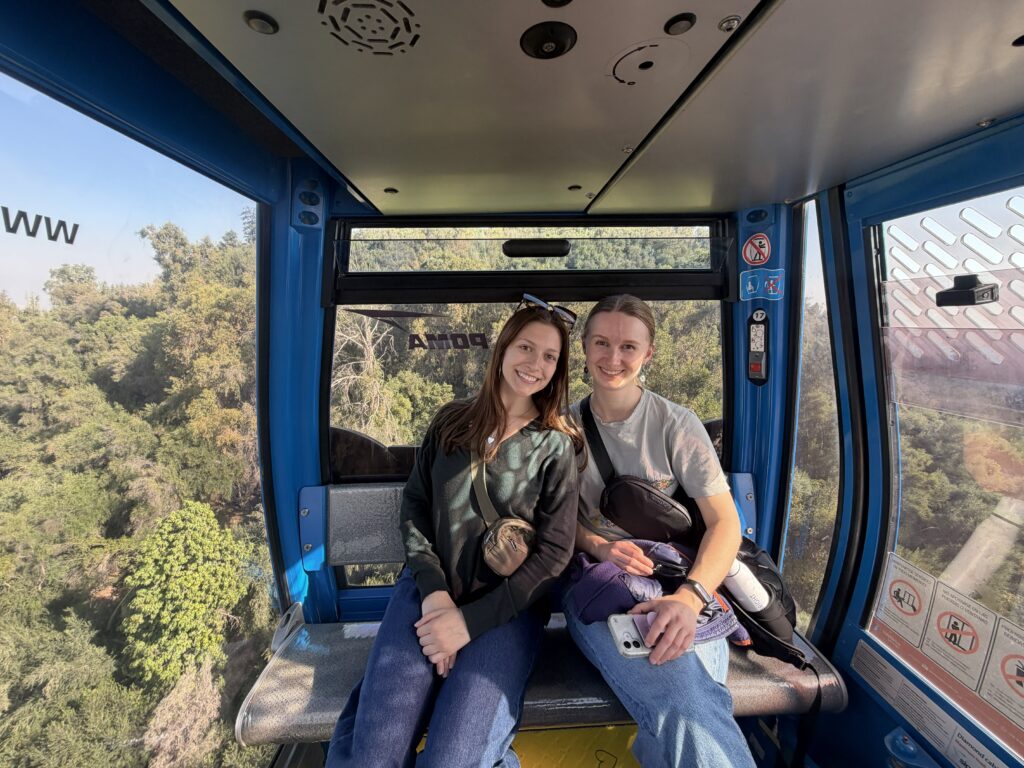
Because we were navigating a new environment, we had to rely on each other in ways we never do back home. Whether it was translating a complex menu, offering Spanish language support during a meeting, or figuring out the transit directions in a bustling city center, someone was always ready to step up.
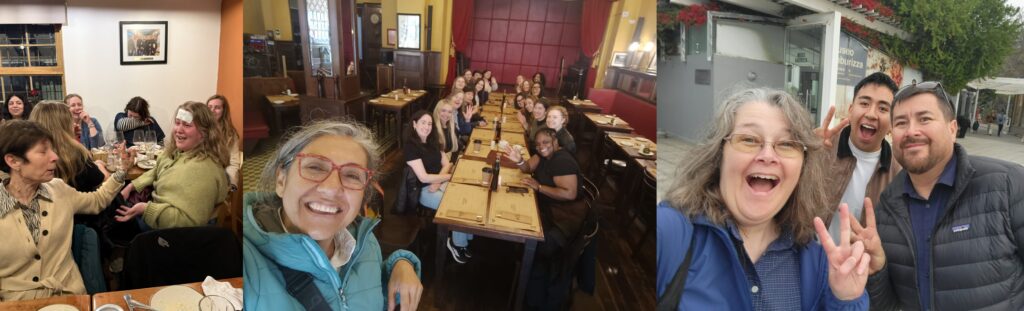
We became each other’s resources for the little things like swapping the best local shopping spots, sharing coveted wine recommendations after our vineyard tour, or passing around ibuprofen (or headache patches!) when the altitude or a headache kicked in. From navigating unfamiliar cities to stepping up as presenters at the graduate conference, we pushed past our comfort zones and supported each other through the nerves.
The Rhythm of the Trip
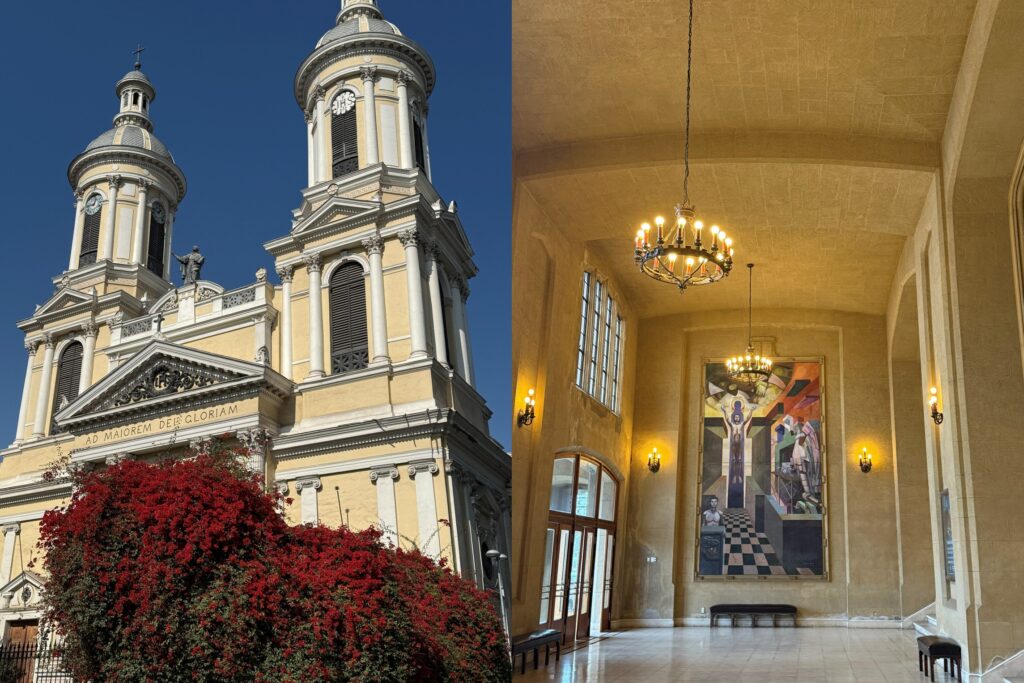
It’s impossible to separate our learning from the cultural landscape that hosted us. We moved through an incredible array of physical spaces, from gorgeous, historic campuses embedded right in the urban pavement of Santiago, to coastal institutions overlooking the ocean in Valpo, to quiet, secluded campus oases that felt completely removed from the city rush.
And of course, we adapted to the daily rhythms of Chilean life. We traded our rushed American lunch habits for the common large midday meal. We learned quickly that there is no such thing as too much palta (avocado), mayo, or cream cheese in Chile.
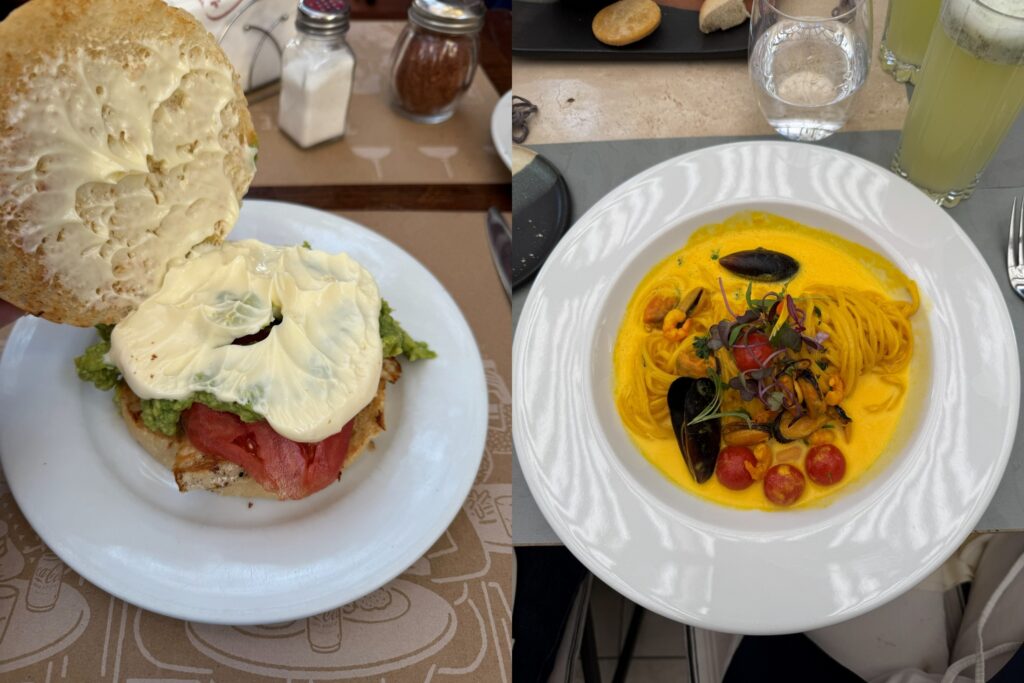
Ultimately, this trip served as not only a culturally rich educational experience, but an experience to bond and build our professional community. On behalf of the whole cohort, we owe Melinda, Lisa, Rosie, and each of our kind local hosts the biggest thanks for all their expertise and support!
by Chloe Outland